
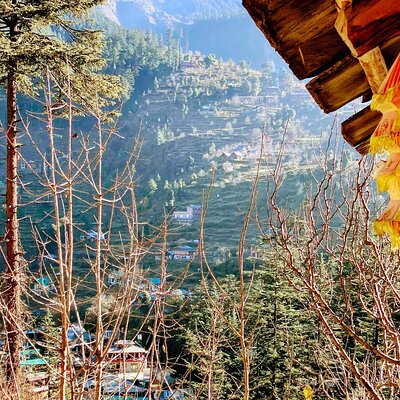
This comprehensive itinerary covers the tranquil Tirthan Valley and the majestic Jalori Pass over four days. The tour provides an immersive experience in the heart of the Himalayas starting from Chandigarh.
Day 1: Chandigarh to Tirthan Valley Arrival
The journey commences with a drive from Chandigarh toward the picturesque Tirthan Valley. Upon arrival, the itinerary includes checking into the riverside accommodation. The day features a relaxing walk along the riverbanks and immersion in the valley’s natural ambiance.
Day 2: Tirthan Valley and Great Himalayan National Park Exploration
This day is dedicated to exploring the local wonders of the valley. The schedule includes a visit to the gateway of the national park and nearby historic structures.
Day 3: Jalori Pass, Serolsar Lake, and Shoja Sightseeing
The itinerary moves toward the higher altitudes of the Seraj Valley. The day includes a trek and visits to scenic high-altitude landmarks.
Day 4: Tirthan Valley to Chandigarh Drop
After breakfast, the return journey to Chandigarh begins. The route offers final views of the mountains before descending into the plains for the final drop-off at the airport or railway station.
The sightseeing includes a visit to the Tirthan River, the entrance to the Great Himalayan National Park, and the high-altitude terrains of Jalori Pass. Travelers can engage in light trekking to Serolsar Lake and explore the local culture in the riverside hamlets.
This segment focuses on the high-altitude charm of Shoja village and the nearby scenic spots. Highlights include the wooden architecture of the region, the dense cedar forests of the Seraj Valley, and the serene landscapes surrounding the Jibhi waterfall area.
Accommodation is provided in well-rated 3-star properties such as Tirthan Nature Camp, Shoja Forest View, or similar riverside cottages. These hotels offer comfortable rooms with basic modern amenities and views of the surrounding mountains.
Package Price for 2 Persons: Rs. 13,920 per person
Package Price for 3 Persons: Rs. 10,720 per person
Package Price for 4-7 Persons: Rs. 8,434 to Rs. 10,080 per person
Package Price for 8-10 Persons: Rs. 7,920 to Rs. 9,120 per person
Package Price for 11-12 Persons: Rs. 7,520 to Rs. 7,811 per person
Breakfast, all sightseeing as per itinerary, AC vehicle Dzire or Innova or Tempo Traveller as per group size, driver allowance, parking, tolls, and stay in 3star AC hotels.
Anything not mentioned in inclusions, entry tickets, boating, guide services, personal expenses, camera fees, or meals other than breakfast.
Child up to 6 years Free
Child 6 to 8 years Half charge
Child above 8 years Full charge
20 percent advance at time of booking
20 percent after getting hotel booking voucher
60 percent during tour in parts
For tours between 15 Dec to 2 Jan, 50 percent advance payment required.
Minimum Rs. 3000 cancellation charge per person
10 percent or Rs. 3000 per person whichever is higher
25 percent cancellation between 46 to 30 days before departure
50 percent cancellation between 30 to 15 days before departure
75 percent cancellation between 15 to 5 days before departure
100 percent cancellation within 5 days of departure or noshow
Cancellation charges are calculated as percentage of total tour cost.
What is the best time to visit Tirthan Valley? The ideal time is from March to June and October to November for pleasant weather.
Is there mobile connectivity in Tirthan Valley? Yes, Airtel and Jio generally offer decent network coverage in the valley.
Do we need permits for the Great Himalayan National Park? Yes, permits are required for entry and can be obtained at the Sai Ropa office.
How far is Tirthan Valley from Chandigarh? The distance is approximately 250 kilometers, usually taking 7 to 8 hours by road.
What kind of clothes should be packed? Layered clothing is recommended as temperatures can drop significantly at night.
Is the trek to Serolsar Lake difficult? The trek is considered easy to moderate and is suitable for beginners.
Are there ATMs in Tirthan Valley? ATMs are limited; it is advisable to carry sufficient cash from Aut or Banjar.
What is the altitude of Jalori Pass? Jalori Pass is situated at an elevation of 10,800 feet above sea level.
Is Tirthan Valley safe for solo travelers? Yes, the region is known for being safe and welcoming to all travelers.
Can we find vegetarian food easily? Yes, most hotels and local cafes serve a variety of vegetarian Indian dishes.
Are there medical facilities available? Basic medical facilities are available in Banjar, though major hospitals are further away.
Is photography allowed in the temples? Photography inside the sanctum is often restricted; please check local signage.
Travelers should carry a valid government-issued photo ID at all times. Respect for local customs and traditions is essential when visiting villages and temples. The mountain ecosystem is fragile; hence, littering must be strictly avoided. Hydration is key to avoiding altitude-related discomfort during the Jalori Pass visit. Roads in the valley can be narrow; it is recommended to travel during daylight hours. Power banks are useful due to occasional power fluctuations in remote areas. Carrying basic motion sickness medication is advised for the winding mountain roads. Support the local economy by purchasing authentic Himachali handlooms. Sturdy walking shoes are required for treks to Serolsar Lake and Chehni Kothi. Check weather forecasts before embarking on high-altitude excursions. Emergency contact numbers should be kept handy. Maintain a quiet environment near wildlife zones in the national park.
Visit our main website for more incredible travel deals: Trypdeals Home
Explore our wide range of tour packages across various destinations: All Tours by Trypdeals
Discover the most sought-after travel destinations with Trypdeals: Top Travel Destinations
Tirthan Valley
Situated in the Kullu district, this valley is a paradise for those seeking peace and natural beauty. Named after the Tirthan River, it serves as the gateway to the Great Himalayan National Park. The region is renowned for its preservation of traditional Himalayan architecture and its thriving trout population. Lush green meadows, orchard-filled villages, and numerous waterfalls define the landscape. It remains one of the few offbeat destinations in Himachal that has avoided mass commercialization, offering a pristine environment for trekking and rejuvenation.
Jalori Pass
This high-altitude pass is a significant geographic feature connecting the inner and outer Seraj valleys. Reaching an elevation of over 3,000 meters, it offers stunning views of the snow-clad peaks. The pass is a focal point for adventurers, serving as a base for treks to Serolsar Lake and Raghupur Fort. The steep ascent and descent through dense forests of oak and pine provide a thrilling experience for travelers. It is a transition point where the landscape shifts from lush greenery to rugged mountain terrain.
Shoja
Located just a few kilometers from Jalori Pass, Shoja is a serene hamlet that offers breathtaking vistas of the valley below. The village is characterized by its wooden houses and sloping roofs, typical of the regional style. It provides an ideal setting for photography and bird watching, with several trails leading into the surrounding wilderness. The air is crisp and clean, making it a perfect retreat from the heat of the plains. Shoja acts as a quiet base for exploring the higher reaches of the Seraj region.
